
Use Specific Language to Energize Nonfiction Writing
Nonfiction writing doesn’t have to be boring. Learn to recognize generalities and replace them with specific, concrete language and vivid sensory details.
Holiday time is here! Now is a great time for holiday writing. Today we look at writing and selling holiday stories and articles and the best time to sell them.
The lead that opens an article often seems like the most challenging part to write but it can be done. Use these tips for article leads that hook the reader.
Publishers know that young people are hungry for good nonfiction. Let’s look at eight ways you can spruce up your nonfiction article writing.
Writing an effective nonfiction article ending is one of the most overlooked aspects of writing. Leave your reader satisfied with these riveting resolutions!
One of the best ways to learn what makes an engaging article opening is to study published nonfiction pieces and to see what made them successful. Let’s do it!
Writing a nonfiction article isn’t easy. However, it may be easier and quicker than writing and selling a picture book and the benefits may surprise you!
When writing nonfiction, editors generally want to see a book proposal before the book is finished. Here’s what you need to know about writing a book proposal.
Writing nonfiction for very young children requires specific things but with a narrow focus, few words, and kid-friendly topics, you can break into this market.
The three essentials for any publishable children’s nonfiction are accuracy, clarity, and organization. Let’s look at these tips for success in nonfiction.
What does show don’t tell mean when it comes to nonfiction? Jan Fields shares examples of using sensory details to bring true stories to life for the readers.
4th Place: HAPPY IN NATURE: THE STORY OF EARTH DAY FOUNDER, GAYLORD NELSON
Setting can seem like a character all on its own, but only if the writer allows the setting to do its job. And that requires both research and imagination.
Worldbuilding is something every fiction writer needs to think about to create believable scenes rooted in a setting in such a way that readers feel it.
1st Place: CRACK! CHICK! BOOM! THE STORY OF LEGENDARY JAZZ DRUMMER CHICK WEBB
Backmatter is becoming more popular in nonfiction and fiction picture books. It can include timelines, photographs, and indexes. Will it work for your book?
Nonfiction picture books are loved by kids. Writing one takes care, thought, and, especially, research. Dig into writing nonfiction for kids with this post.
Organization is key to writing successful nonfiction. With easy-to-understand organization, you’ll lose the reader. Here’s how to choose a nonfiction structure.
Writing research takes time and energy. Fortunately, writers can develop new projects from unused material or even recycle what was used. Let’s find out how!
Writing active nonfiction means getting creative and encouraging hands-on activities with kids. Could this genre be your ticket to publication? Let’s find out.
In all that nonfiction does, writers need to decide what they want readers to take away from their work. Let’s explore nonfiction and The Big Idea.
Unity in nonfiction means the writing is cohesive, coherent, and creates a meaningful whole. Let’s explore how unity gives you a better shot at publication.
Narrative nonfiction tells a true story from history using storytelling techniques from fiction to tell a compelling story. Read on to see how it works!
You can learn how to write a book! Learning how to write a book begins here and your next step is a novel writing course at Institute of Children’s Literature.
How often do we, as writers, try new things with our writing? Fall is the time to take advantage of new opportunities to learn new writing techniques.
Every year, book and magazine publishers buy back-to-school stories. Let’s talk about how to create projects that are unique and engaging to young readers.
Victoria Sherrow takes us through what readers are looking for in an effective endings in nonfiction and how we can give them what they want with style.
Revising to get within word count can be painful. Jan Fields shares revision techniques to make the process less painful and your writing stronger than ever.
The perfect ending is more than the point where you stop writing. It’s where everything you’ve written before pays off. Today, let’s revise and stick the landing.
When writing for children, one of the toughest parts of any piece to write is the middle. Today we look at four revision tools to help you tackle the messy middle.
A big picture revision is to make sure your writing, whether fiction or nonfiction, engages the reader at the beginning, keeps the reader through the middle, and offers a satisfying ending.
A look at magazines published one, five, ten, and twenty or more years ago will reveal the same categories of nonfiction and many of the same topics. Why? Because they address universal needs and aim to help readers improve their lives.
Seasonal stories, seasonal poetry and even a bit of seasonal nonfiction can be counted upon to appear in magazines and on publishers’ book lists every year. Jan Fields shares how to make this perennial topics feel new.
Facebook Twitter We teach our students how to write and get published! View our Course Catalog > WRITING DIFFICULT TRUE STORIES One of the most compelling types of writing for many is telling true stories from the writer’s own life, in other words, writing a memoir. Memoir writing isn’t just for books targeting adults. Examples…
104: Nonfiction Articles You Can Write Part 2
June 15, 2018
Writing nonfiction for magazines offers publication opportunities and develops skills in research, organization, and submission in writers. Let’s find out how!
243: Four Ways to Learn to Love Nonfiction
May 7, 2021
Share on facebook Facebook Share on twitter Twitter We teach our students how to write and get published! View our Course Catalog > If you’ve spent much time reading guidelines recently, especially those for educational publishers, you’ve almost certainly run across one of two acronyms related to nonfiction: STEM or STEAM. STEM stands for science,…
Facebook Twitter We teach our students how to write and get published! View our Course Catalog > It was early spring, and I was thinking about articles for January. As freelancers know, most publications plan issues months ahead, so we need to submit our queries and articles with that in mind. I decided to write…
241: Top 3 Narrative Nonfiction Missteps
April 16, 2021
Writing by the seat of your pants may work for fiction, but one of the key needs of nonfiction is clear organization. Here’s how to get organize nonfiction.
Facebook Twitter We teach our students how to write and get published! View our Course Catalog > Nonfiction ideas truly are everywhere, and writers who focus on nonfiction need never say, “There’s nothing to write about.” We can delve into biography, history, science, sports, astronomy, autobiography, memoir, geography, technology, travel, pop culture, religion, health and…
The popularity of nonfiction makes it worth an author’s time to investigate. Here’s how to find hot nonfiction topics that publishers are looking for.
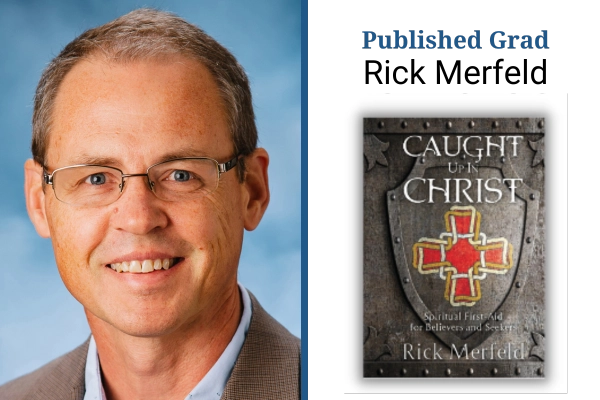
Published author and IFW graduate Rick Merfeld share how taking multiple one-on-one writing courses helped him in getting his book Caught Up in Christ published. Dive in to know more about his work!
How Many Lines in a Limerick? Poetic Forms and Literary Terms for Kids of All AgesJanuary 15, 2021
Diamond Rattle Loves to TattleJanuary 8, 2021
MARTIN LUTHER KING, JR.December 8, 2020
The whole publishing process is a journey up a mountain after the path has been washed out. Remember, it only takes one editor to connect with your work.
Facebook Twitter We teach our students how to write and get published! View our Course Catalog > Some paranormal enthusiasts believe that a pyramid, simply by virtue of its shape, can preserve food, and enhance meditation and psychic talents. Others believe the Giza pyramids are a giant celestial generator that could power the world if…
212: Interview with Paula Morrow
August 7, 2020
Narrative nonfiction writers need to describe people, places, objects, and events in imaginative but also accurate ways. Enter imagery. Follow these 3 tips.
193: Susan Campbell Bartoletti (RB)
March 27, 2020
Narrative nonfiction is popular with kids, teachers, and publishers. Here are the top three missteps to avoid when writing narrative nonfiction.
The content of your piece is the what of your writing. How you say it is the voice. Time to talk about how to develop your author voice in your work.
192: Get Out of Your Comfort Zone
March 20, 2020
Share on facebook Facebook Share on twitter Twitter We teach our students how to write and get published! View our Course Catalog > One of the most common forms of narrative nonfiction is the biography. Biographies can be found in long form novels, long-form highly illustrated books, chapter books, early readers and picture books. Picture…
Facebook Twitter We teach our students how to write and get published! View our Course Catalog > “Whether I shall turn out to be the hero of my own life, or whether that station will be held by anybody else, these pages must show.” Those familiar opening lines from Charles Dickens’ novel David Copperfield are…
191: 4 Ways to Learn to Love Nonfiction
March 13, 2020
Facebook Twitter We teach our students how to write and get published! View our Course Catalog > If you’re interested in trying your hand at narrative nonfiction, there are options beyond massively researched full-length books. Some children’s magazines buy narrative nonfiction in the form of biographical sketches, profiles of contemporary figures, and anecdotal stories of…
IFW Instructor Victoria Sherrow shares how to effectively use quotes from historical figures and experts when writing narrative nonfiction novels and articles.
190: Interview with Elena Favilli
March 6, 2020
Most successful writers are researching all the time. We just call it reading. Reading for exploration improves your writing in all kinds of ways—find out now!
Research is a necessity for any writer, but with it comes benefits in other areas of life that may surprise. Consider these benefits the next time you research.
169: Susan Campbell Bartoletti
October 4, 2019
Nonfiction writing includes outlines, research, and many drafts. The revision process gives us the chance to polish the content, presentation, and style.
105: How to Conduct an Interview
June 22, 2018
Nonfiction is a deep market, popular with readers, and well worth considering. Today we chat about what it takes to be successful in nonfiction for kids.
107: An Interview with Deborah Heiligman
July 6, 2018
106: How to Write an Interview
June 29, 2018
No story is complete without a source. Grab these tips for sourcing your articles including finding contacts, discovering the best answers, and what comes next.
103: Nonfiction Articles You Can Write Part 1
June 8, 2018
102: Nonfiction Guest Expert Christine Taylor-Butler
June 1, 2018
Good nonfiction writing samples have things in common with fiction ones, but they also have specific requirements, so let’s check out the difference.
056: 8 Must-Know Facts About Magazine Nonfiction
June 16, 2017
There’s nothing worse than finding out something is factually wrong in your work AFTER it’s in print. Here’s a primer on research resources and how to use them.
If you’re not excited by what you’re writing, you’ll never get the reader excited about it. Here are three ways to avoid being a boring writer.
Young readers may take our books and articles at face value and believe them to be true. That means proper research is important in any writing for children.
031: Cleopatra had Cooties
December 23, 2016
024: How to Get Your Nonfiction Rejected
November 4, 2016
014: Nonfiction Does Not Mean Nonfun
August 26, 2016
013: Where Did You Get That Information?
August 19, 2016
011: Magazine Nonfiction that Grabs Kids
August 5, 2016
002: Three Keys to Writing Nonfiction for Children
June 10, 2016
Good kid nonfiction comes down to three key elements: focus, vitality, and appeal. Learn how you can incorporate them into your next article or manuscript.
The writing world offers so many options. Finding the exact right spot can come from self-analysis and exploration. Answer these questions to see where you fit!
Can submitting craft tutorials help you get published by a children’s magazine? Yes! Crafts make magazine content interactive! Use these tips to get started.
1000 N. West Street #1200, Wilmington, DE 19801
© 2024 Direct Learning Systems, Inc. All rights reserved.
1000 N. West Street #1200, Wilmington, DE 19801